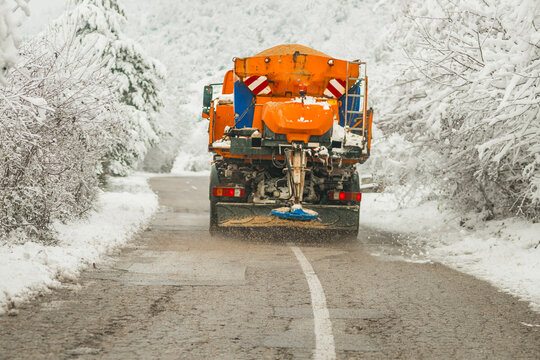
As winter approaches, the necessity of efficient road management is more urgent than ever. Expert winter road services play a vital role in ensuring public safety, preventing accidents, and keeping businesses operational during severe weather. With the right preparation and strategies in place, communities can navigate the challenges brought on by ice and snow, safeguarding both lives and livelihoods.
In this article, we will examine the crucial aspects of professional winter road services, examining how preventative actions such as gritting, snow removal, and weather tracking contribute to road safety. We will elaborate on the advantages these services bring, not just for municipalities but also for commercial properties and manufacturing sites. From comprehending the distinctions between ice melting and preventative ice treatments to exploring the most recent technology in the field, we will offer a detailed guide that underscores the significance of winter road maintenance for communities facing extreme weather events.
An Importance of Professional Winter Road Services
As cold weather approaches, the wellbeing of our roads becomes a paramount concern. more info play a key role in ensuring that highways and byways remain clear during snowy conditions. These services are crucial not only for public safety but also for maintaining the continuance of transportation and commerce. By utilizing professional techniques and tools , these professionals mitigate the hazards associated with winter driving, assisting to prevent accidents and ensuring that necessary services can continue without interruption .
One primary benefit of professional winter road services is their ability to reduce accidents significantly during intense weather events. With swift snow clearance and effective grit application, the likelihood of dangerous road conditions is greatly diminished. This preventative approach not only protects lives but also reduces the burden on emergency services , allowing them to focus on different emergencies. The knowledge of winter road maintenance teams ensures that roads are properly maintained, with a marked decrease in winter-related incidents, promoting a safer environment for all road users.
Additionally , outsourcing winter road services to capable contractors can enhance operational efficiency for both public authorities and companies . With focused knowledge and modern technology, these teams provide personalized solutions that take local atmospheric trends and road conditions into consideration . This not only encourages accountability but also allows organizations to assign resources more effectively, ensuring that financial plans are adhered to while maintaining road safety standards. In this way, expert winter road services are a crucial investment, yielding dividends in safety , effectiveness , and reassurance during the challenging winter months.
Best Practices for Effective Winter Maintenance
For ensure that roads remain safe and accessible during winter months, developing a proactive winter maintenance plan is essential. It begins with regular weather monitoring, which allows for swift responses to shifting conditions. Using advanced weather forecasting technology helps maintenance crews anticipate snow and ice events, allowing them to get ready and deploy necessary resources, such as grit and snow clearing equipment, preemptively. This proactive approach not only enhances safety but also reduces the risk of accidents caused by untreated roadways.
Another key aspect of effective winter maintenance is the planned use of road gritting and ice control treatments. Understanding the difference between de-icing and anti-icing is crucial; while de-icing is applied after ice has formed, anti-icing helps stop ice from adhering to the road. Expert winter service providers utilize a combination of these techniques customized to specific road conditions and weather forecasts. Implementing a well-timed gritting schedule ensures that roads are treated before snow turns into ice, significantly improving traction and reducing potential hazards for drivers.
In conclusion, collaboration between local authorities and winter service contractors plays a vital role in successful winter road maintenance. Creating clear communication channels and response protocols allows for a unified effort in managing severe weather events. Additionally,partnering with community stakeholders in the planning process helps in creating a winter maintenance plan that tackles the unique challenges of each area. By leveraging expertise and resources, local authorities can ensure that winter road services are not only effective but also successful in keeping communities safe during harsh winter conditions.
Technological Improvements in Winter Infrastructure Management
The adoption of technology into cold weather street services has changed how local governments and contractors approach winter weather and snow management. Sophisticated weather monitoring systems provide immediate data on temperature changes, rain, and street conditions, allowing for early measures before adverse weather events escalate. This prompt insight enables infrastructure crews to prepare and mobilize equipment efficiently, ensuring pathways remain passable and safe.
In furthermore to climate tracking, the use of satellite tracking and fleet tracking software boosts the effectiveness of seasonal street functions. By monitoring the geolocation and performance of winter clearing vehicles, organizations can refine travel paths and boost action times. This technology also supports detailed reporting, which is vital for reviewing the success of winter maintenance strategies and making data-driven decisions for future developments.
Moreover, innovations in resources and tools, such as the integration of advanced salt mixtures and mechanized grinding systems, are altering conventional methods of snow and ice clearing and snow removal. These developments not only enhance the speed of cold weather operations but also aid in sustainability by minimizing the ecological footprint associated with excessive salt application. As the industry continues to adopt these technological trends, the efficiency of cold weather infrastructure care will only continue to get better, ensuring better journeys for all.