

Installing a independent stove can be a fulfilling project that enhances the warmth and mood of your home. However, it is crucial to handle the installation process with diligent planning and attention to specifics. Many homeowners find themselves stressed by the various factors involved, from comprehending clearance guidelines to choosing the most suitable location and venting choices. By avoiding common oversights during your installation, you can guarantee a safe and efficient configuration that provides warmth for years to come.
In this article, we will discuss the critical pitfalls to watch out for when installing a free-standing stove. Whether you are a veteran DIY fan or a first-time homeowner, these tips will help you steer through the challenges of stove installation. From picking the correct type of stove to guaranteeing proper ventilation and safety regulations, understanding these common oversights will empower you to create a successful and enjoyable installation process.
Crucial Setup Guidelines
Proper installation of a standalone stove is critical for not only security as well as effectiveness. Start by making Free Standing Stove Installation Fife that you have the necessary tools and equipment at hand. This includes a measuring level, screwdrivers, wrenches, and any specific tools recommended in the setup manual for your stove type. Make sure to read the manufacturer's instructions carefully, as each stove may have unique requirements that must be adhered to for secure operation.
Then, consider the location of your stove thoughtfully. The best location will balance heat across the room while adhering with clearance requirements. Free-standing stoves typically need to be positioned at a safe distance from walls and combustible materials. You can find detailed clearance guidelines in your stove's manual and should always prioritize safety over aesthetics. Additionally, understanding the floor protection rules is crucial to avoid fire hazards and meet local regulations.
Finally, ensure you have suitable venting strategies in place. This means understanding the distinction between roof and wall venting, as well as selecting the correct type of stove pipe—whether single wall or double wall. The venting system must transport smoke and gases securely outside, thus avoiding carbon monoxide accumulation inside your home. Adhering to these installation guidelines will help avoid common errors and ensure your free-standing stove functions safely and effectively.
Frequent Mounting Errors
One of the most frequent mistakes during free-standing stove installation is insufficient clearance from combustible materials. Numerous homeowners overlook the importance of adhering to the manufacturer's guidelines regarding space from surfaces and furniture. This oversight can lead to fire hazards, as the heat emitted by the stove can ignite nearby materials. Always verify the spacing requirements based on the stove model, be it gas, to ensure a risk-free setup.
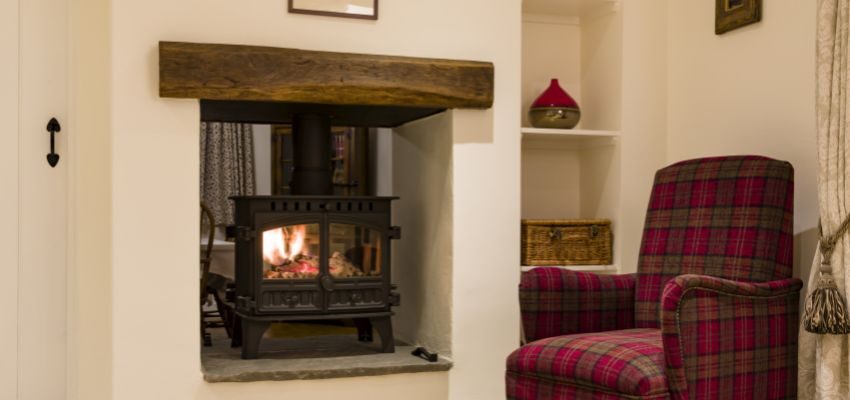
Another common mistake is improper venting. Poor venting can cause smoke and carbon monoxide to flow back into the home, posing serious safety risks. Check out the post right here neglect to choose the correct flue path or forget to install the venting system in line with local building codes. When installing a stove pipe, ensure you understand the distinction between roof and wall venting, and diligently follow correct venting practices to safeguard your family.
Finally, failing to obtain a building permit can lead to problems down the line. Numerous homeowners believe that a permit is not required for setting up a free-standing stove, but local regulations often require one to ensure adherenc with safety standards. Omitting this process can result in fines or the need for costly modifications later on. Always consult with your local building authority before starting your mounting project to avoid these pitfalls.
Post-Installation Considerations
After you have successfully installed your free-standing stove, it is essential to examine the performance and safety aspects of your new appliance. This includes verifying for proper airflow and confirming that the ventilation system is properly set up and functioning. A comprehensive inspection of your stove pipe connections and seals can halt smoke leakage and carbon monoxide buildup, which are crucial for safe operation.
Another important consideration is the installation of carbon monoxide and smoke alarms in your house. These devices should be installed according to local regulations and safety guidelines, ensuring they are close enough to your stove to notice any potential issues promptly. It is also wise to familiarize yourself with the signs of malfunction, such as strange smoke or smells, which can be a sign of a problem that needs urgent attention.
Finally, regular maintenance should not be overlooked. Routine cleaning of the stove and its components will help maintain performance and safety. This includes checking and maintaining the ventilation setup, inspecting the hearth pad for damage, and carrying out any necessary repairs. By taking these post-installation steps, you can savor your free-standing stove while keeping your house safe and warm for many years to come.